
Start with the question the test should answer
Screening is intended for people who appear well and do not have symptoms of the condition being considered. It identifies people who may need further assessment; it does not provide a complete diagnosis. A positive screen usually needs diagnostic follow-up, while a negative result is not a promise that illness cannot develop later.
Before booking, name your purpose: routine prevention, follow-up of an earlier finding or investigation of a current symptom. If symptoms are already present, describe them to a clinician instead of relying on a routine screening package to explain them.
Ask about benefit, not just detection
Finding an abnormality is not, on its own, proof that a test helps everyone. The US National Cancer Institute describes effective cancer screening in terms of earlier detection, fewer deaths from the cancer and a favorable balance of benefits and harms. Established tests differ in their intended populations and schedules.
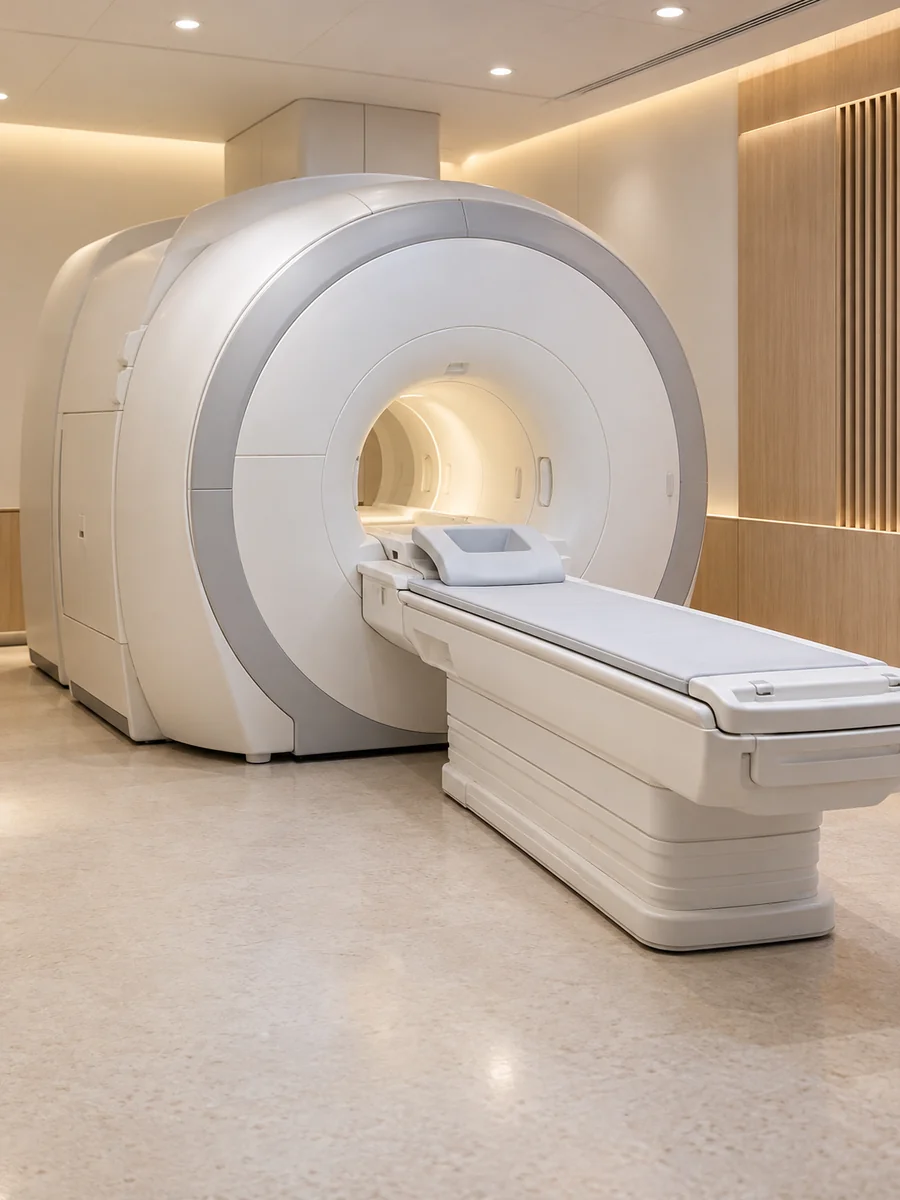
When comparing options, ask what evidence shows a benefit for people with risks similar to yours. The number of items, scanner price and the phrase 'whole body' do not answer that question. Detection, earlier diagnosis and improved health outcomes are different measures.
Sources: [3] National Cancer Institute · [4] International Agency for Research on Cancer
Understand false alarms and overdiagnosis
A false positive is an apparent problem that further investigation does not confirm. A false negative misses a condition that is present. Neither result should be confused with overdiagnosis: finding a real abnormality that would never have caused symptoms or threatened life.
These situations can lead to anxiety, additional procedures, false reassurance or unnecessary treatment. Knowing the limitations does not mean rejecting screening. It means making room for uncertainty before testing, including what an unclear result might require. New symptoms still deserve medical attention after an apparently reassuring screen.
Sources: [5] National Cancer Institute · [4] International Agency for Research on Cancer
Let personal risk shape the plan
Age, previous illness, family history, smoking and some occupational exposures can change the balance of benefits and harms. A person at increased risk may need a different starting age, interval or test from someone at average risk. A friend's schedule is therefore not automatically your schedule.
Prepare a short record of previous findings and dates, together with relevant illnesses and approximate ages at diagnosis in close relatives. Use that information to discuss which tests are worthwhile now and which can wait, rather than choosing solely by a package label.
Sources: [6] National Cancer Institute
Agree on the follow-through before testing
A useful screening pathway does not end when a report arrives. The UK National Screening Committee emphasizes the importance of support, interpretation and appropriate follow-up. For a visit away from home, clarify who will review the results and how continuing care will work after you leave. Use these questions to make the conversation concrete:
- What is this test looking for, and why does it fit me?
- What are its benefits, limitations and possible harms?
- What happens after an abnormal or uncertain result?
- Who explains the report, and what follow-up costs are separate?
- What alternatives or follow-up plans exist if I defer testing?